Fix Your Patio: Essential Guide to Paver Repair Services in Clermont, FL
Restore your patio with expert patio paver repair in Clermont, FL. Fix sunken pavers, weeds, and cracks for a beautiful, safe outdoor space.
Why Your Clermont Patio Deserves Expert Repair
Patio paver repair in clermont, fl helps homeowners restore cracked, sunken, or uneven outdoor surfaces so patios look great and feel safe to use. Here are a few essentials to know before scheduling service:
What Professional Paver Repair Typically Includes:
- A damage assessment focused on common Florida causes like settling soil, root growth, and heavy rainfall
- Lifting and resetting affected areas, plus stabilizing and compacting the base where needed
- Replacing broken pavers when possible with close matches
- Refreshing joint material with polymeric sand to help reduce washout and weeds
- Cleaning and optional sealing to help protect color and simplify maintenance
Your patio should be a comfortable extension of your home, not a tripping hazard or an eyesore. Clermont weather can be tough on hardscapes, and small issues like loose joint sand or minor settling can spread if they are left alone.
Learn more about residential paver services from Alliance Pavers.
Identifying Common Issues for Patio Paver Repair in Clermont, FL
Clermont, Florida homeowners enjoy outdoor living year-round, but local conditions can be demanding on paver patios. Heat, humidity, frequent heavy rainfall, and shifting soils can gradually impact even well-built paver systems. Over time, these factors can lead to the need for patio paver repair in clermont, fl.
One of the most common problems is sunken or uneven pavers. This can happen when bedding sand or base material erodes, when the ground settles, or when base preparation was not sufficient for local soil and drainage conditions. Heavy rain can wash out joint sand and contribute to voids below the surface, which may cause sections to sink and become uneven.
Another issue is root intrusion. Mature trees and shrubs can push up against a patio as roots expand. When a patio sits close to established landscaping, roots may lift or shift pavers, creating high spots, uneven transitions, or misaligned patterns.
Cracked or chipped pavers can also appear over time. Impacts, movement beneath the surface, or natural wear can damage individual pavers. While a single cracked piece might seem minor, it can allow more water into the system and may contribute to additional movement in the surrounding area.
Finally, drainage issues often play a big role. If water collects on the patio or flows toward the home, moisture can destabilize bedding layers and encourage joint sand washout. Drainage problems also increase the likelihood of algae or mildew, especially in shaded areas.
Alliance Pavers understands the Central Florida environment and how it affects paver systems. For more information, explore our Residential Paver Services.
Signs Your Patio Needs Professional Attention
Catching warning signs early can help prevent larger sections from shifting and can keep the surface safer to use.
Here are common indicators that your patio paver repair in clermont, fl may need professional attention:
- Cracked or chipped pavers: Visible damage can signal movement below the surface or wear that needs correction.
- Weed growth between joints: Persistent weeds often point to missing, loose, or compromised joint sand.
- Standing water: Puddling after rain may indicate grading or drainage concerns that can undermine the base.
- Loose or missing joint sand: Empty joints reduce interlock and can allow pavers to drift or rock underfoot.
- Faded surfaces: Sun exposure can dull color; cleaning and sealing can often improve appearance and protection.
- Potential tripping hazards: Any lifted or sunken edges should be addressed to reduce the risk of trips and falls.
If you notice one or more of these issues, professional repair can help restore the patio's appearance and performance while protecting the base layers that keep the system stable.
The Professional Restoration Process
When a paver patio in Clermont starts to shift, sink, or show visible wear, a professional restoration focuses on correcting the cause of the problem, not just the surface symptoms. The goal is to restore a level, attractive, and long-lasting patio that holds up to Florida weather.
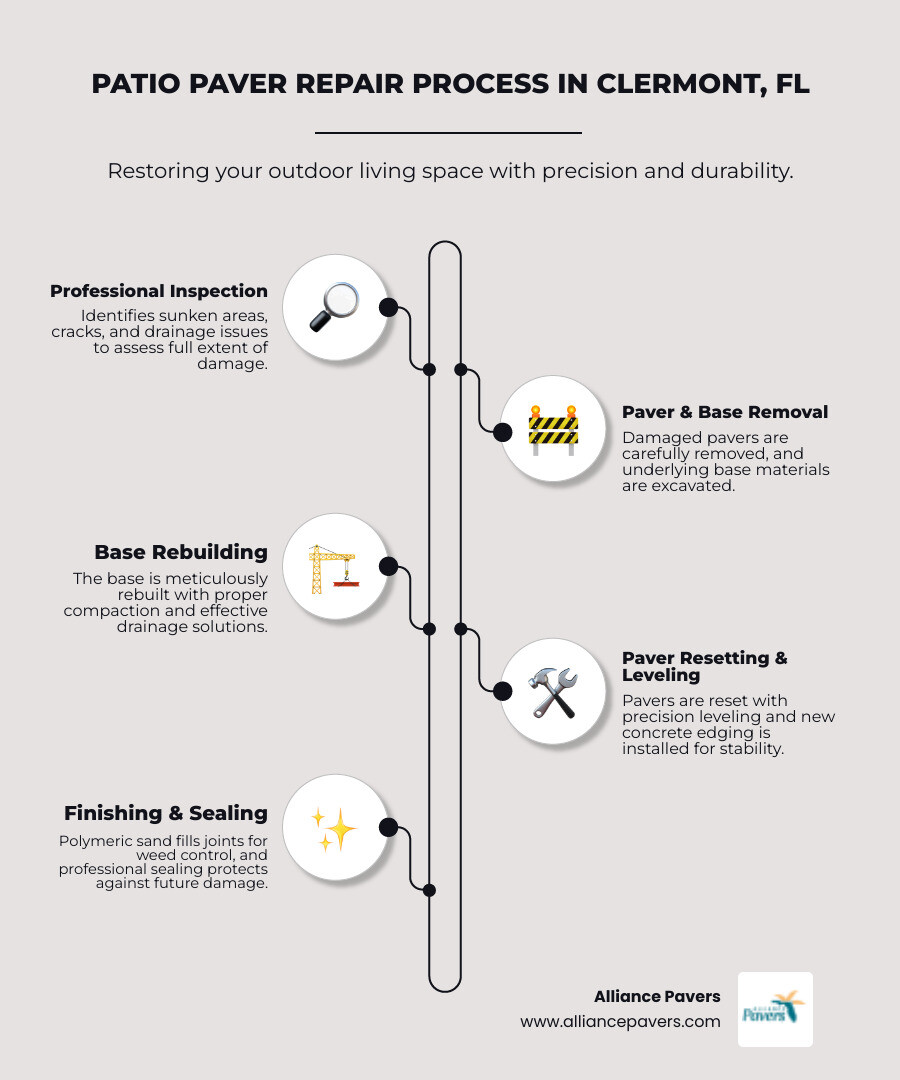
The process typically begins with a thorough site inspection. Technicians review the surface for uneven areas, cracked pavers, joint loss, drainage patterns, and signs of root intrusion. This step helps determine whether the issue is localized or tied to broader base or drainage conditions.
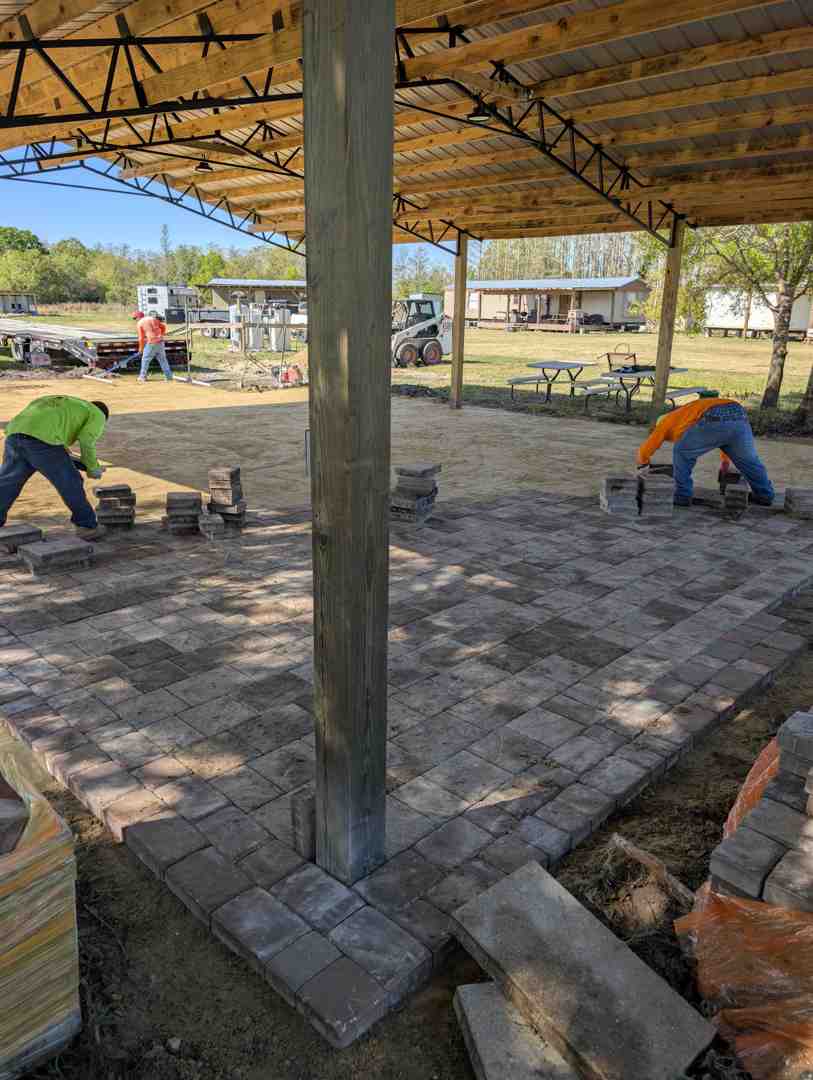
Next is careful paver removal in the affected areas. Because pavers are designed to be lifted and reset, repairs can often be completed without disturbing the entire patio. Removed pavers are set aside for reuse when they are still in good condition.
Then comes the key structural step: base compaction and repair. Any compromised bedding sand or base material is corrected, voids are addressed, and the foundation is rebuilt and compacted to support a consistent grade. If roots are contributing to the problem, they are managed as part of the repair plan.
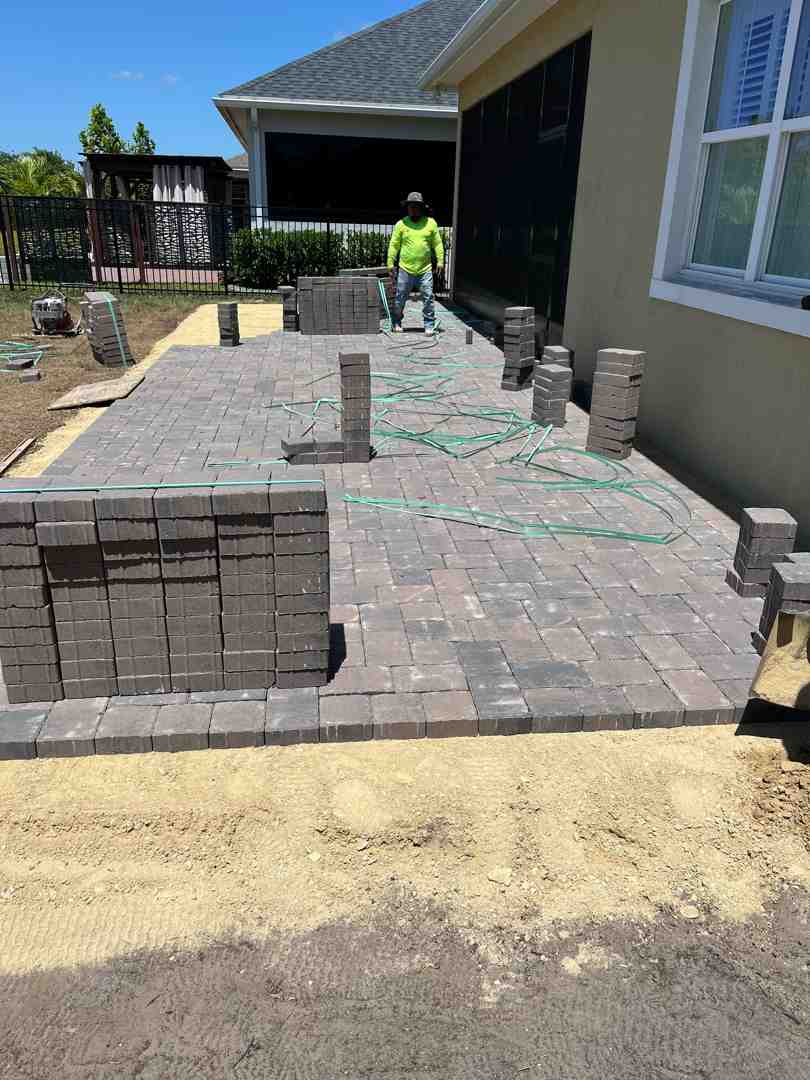
After the base is restored, the crew resets the pavers, aligning and leveling each piece so the finished surface is smooth and consistent. If any pavers are too damaged to reuse, replacements are installed when a suitable match is available.
The final steps include surface cleaning and preparing the patio for fresh joint material and long-term protection. For ongoing care options, visit our Paver Maintenance page.
Precision Leveling and Edging
Precision matters in paver repair. After the base is corrected and pavers are reset, the surface is fine-tuned so transitions feel smooth and the pattern remains visually consistent.
A major component of long-term stability is concrete edging (where applicable). Proper edging helps keep perimeter pavers from creeping outward over time due to foot traffic, furniture movement, and natural soil expansion and contraction.
Once the layout is locked in, joints are refilled through sand replacement, often using polymeric sand. When installed correctly, polymeric sand helps reduce joint erosion, discourages weed growth, and adds strength to the paver interlock.
A final comprehensive surface cleaning removes dust and residue so the patio is ready for normal use and, if selected, sealing. This step-by-step approach helps ensure your patio paver repair in clermont, fl performs well and looks polished when the work is complete.
Benefits of Repairing vs. Replacing Your Hardscape
When a paver patio develops problems, the next step is usually deciding whether targeted repair will solve the issue or whether a full replacement is needed. In many cases, repairing an existing hardscape offers practical benefits for Clermont homeowners.
One key advantage is reduced disruption. Repair work often focuses on the affected sections, which can help preserve surrounding landscaping and avoid removing areas that are still performing well.
Repair can also support long-term performance by addressing the root cause of shifting or settling. When the base and joints are corrected, the patio can return to a stable, level surface and remain easier to maintain.
Another benefit is material reuse. Because pavers can often be lifted and reset, many patios can be restored using the existing stones, replacing only those that are damaged.
| Feature | Repairing Pavers | Replacing Pavers |
|---|---|---|
| Scope | Focuses on problem areas | Rebuilds the entire surface |
| Disruption | Typically less impact to surrounding areas | More extensive demolition and site work |
| Materials | Often reuses existing pavers | Usually requires all new materials |
| Outcome | Restores function and appearance when the system is otherwise sound | Provides a full reset when widespread issues are present |
If you are also planning broader outdoor improvements, explore our Hardscaping Solutions to see how patios, walkways, and outdoor living features can work together.
The Best Time for Patio Paver Repair in Clermont, FL
Repairs can be completed year-round, but scheduling matters when joint materials or sealers need time to cure.
In Central Florida, late fall through winter often provides favorable conditions because the weather is generally drier and less humid. Drier conditions can help reduce weather delays and support proper curing for polymeric sand and sealants when they are part of the project.
That said, if your patio has developed a tripping hazard, active washout, or drainage-related movement, addressing it sooner helps prevent the damage from spreading.
Maintenance Tips to Prevent Future Damage
Once your paver patio in Clermont has been expertly repaired, the journey doesn't end there! Proactive maintenance is the secret sauce to preventing future damage and ensuring your outdoor living space remains a source of pride and enjoyment for decades. We often tell our clients that a little routine care goes a long way in protecting their investment.
Here are some essential maintenance tasks we recommend to homeowners:
- Regular Sweeping: This might sound simple, but it's incredibly effective. Regularly sweeping your patio removes loose debris, leaves, and dirt that can accumulate in paver joints. If left unchecked, this organic matter can break down, create fertile ground for weeds, and even trap moisture, contributing to erosion. A quick sweep once a week can make a huge difference.
- Managing Drainage: This is a big one in a rainy climate like Clermont's. Ensure that water drains properly off and away from your patio. Check for any areas where water tends to pool after rain. If you notice persistent puddling, it might indicate a minor settling issue that needs to be addressed before it becomes a major problem. Proper drainage prevents the erosion of joint sand and base material.
- Weed Control: As we discussed, weeds are a common nuisance. Address them promptly! Pulling weeds by hand is effective for small infestations. For larger areas, a targeted weed killer designed for hardscapes can be used, but always follow product instructions carefully. The goal is to prevent weeds from establishing deep root systems that can destabilize pavers.
- Keep Planters Weed-Free: If you have planters on or near your patio, ensure they are also kept free of weeds. These can quickly spread to your paver joints.
- Consider Resealing Every 2-3 Years: This is perhaps one of the most impactful preventative measures. A high-quality sealant acts as a protective barrier, safeguarding your pavers from the harsh Florida sun, stains, and erosion. We'll dig deeper into this below, but marking your calendar for regular resealing is a smart move.
By incorporating these tasks into your routine, you can significantly extend the life of your patio and minimize the need for future patio paver repair in clermont, fl. It's about being proactive, not reactive, to the challenges our beautiful Florida environment presents. For more detailed guidance on how to maintain your pavers, check out our Paver Restoration Service page which also covers maintenance.
The Importance of Professional Sealing
After investing in patio paver repair in clermont, fl, the final and arguably most crucial step to ensure its longevity and beauty is professional paver sealing. Think of sealing as the ultimate shield for your hardscape, providing protection that goes far beyond just aesthetics. We emphasize this step because, without it, your newly repaired patio remains vulnerable to the very elements that caused its initial damage.
Here's why professional sealing is so important:
- UV Protection: The intense Florida sun, while glorious for outdoor living, can be brutal on pavers. Constant exposure to ultraviolet (UV) rays causes the color pigments in pavers to fade over time, making your patio look dull and aged. A high-quality sealant contains UV inhibitors that act like sunscreen for your pavers, significantly slowing down the fading process and preserving their vibrant colors. This keeps your patio looking fresh and new, as if it just rolled off the showroom floor.
- Stain Resistance: Patios are often the hub of outdoor activities – barbecues, parties, and everyday relaxation. This means they're susceptible to spills from food, drinks, oil, and more. Unsealed pavers are porous, allowing liquids to seep in and create stubborn stains. A professional sealant creates a protective barrier on the paver surface, making it much harder for stains to penetrate. Spills bead up, allowing for easier cleanup and preventing permanent discoloration. It's like having an invisible force field against life's little messes.
- Color Improvement: Beyond protection, sealing also improves the natural beauty of your pavers. Many sealants are designed to enrich and deepen the colors, bringing out the original vibrancy that might have faded over time. It can give your patio a refreshed, "wet look" or a subtle sheen, making it stand out and boost your home's curb appeal.
- Erosion and Deterioration Prevention: The polymeric sand we use in the joints is fantastic, but sealing adds an extra layer of protection. It helps lock the joint sand in place, preventing it from washing out during heavy rains or being displaced by foot traffic. This maintains the interlock of your pavers, preventing shifting and discouraging weed growth. Moreover, the sealant protects the paver material itself from surface deterioration caused by weather exposure.
- Easier Maintenance: Sealed pavers are smoother and less porous, which means dirt, grime, and mildew have a harder time adhering to the surface. This makes routine cleaning much easier and less time-consuming. A simple sweep and occasional rinse are often all that's needed to keep your patio looking great.
We generally recommend a resealing cycle every 2-3 years for patios in Clermont, FL. The exact frequency can depend on the type of paver, the amount of traffic it receives, and the specific sealant used. Our team can assess your patio and recommend the optimal resealing schedule to ensure continuous protection and beauty. Professional sealing is an investment that pays dividends in longevity, appearance, and ease of maintenance, truly completing your paver patio's restoration.
Frequently Asked Questions
Here are answers to common questions homeowners ask about patio paver repair in clermont, fl.
How long does patio paver repair in Clermont, FL typically take?
Timing depends on the size of the affected area and the type of repair needed. Small resets or replacing a few damaged pavers can sometimes be completed in a single visit. Larger repairs that involve base rebuilding, joint replacement, and sealing may require additional time to complete the work properly and allow materials to set.
Can I walk on my pavers immediately after repair?
It depends on the materials used during the final steps.
- If the work only involves lifting and resetting pavers, light foot traffic may be possible soon after completion.
- If polymeric sand is installed, it needs time to cure so it can harden and stabilize the joints.
- If a sealant is applied, it also needs drying and curing time.
Your crew should provide specific after-care guidance based on the products used and current weather conditions.
What are the most durable paver materials for Florida weather?
Durability depends on the material and on proper installation, drainage, and maintenance. Common paver options that perform well in Florida conditions include:
- Travertine: A popular natural stone for patios and pool areas, valued for comfort underfoot and long-term performance when properly maintained.
- Concrete brick pavers: Widely used for patios, walkways, and driveways due to consistent sizing and strong interlock.
- Natural stone (such as granite or limestone): Known for strength and a distinctive look, with maintenance needs that vary by stone type.
- Clay brick pavers: Classic appearance and solid performance, especially when the base, edging, and joints are well maintained.
No matter which paver you choose, the most important factors for long-term results are a stable base, effective drainage, and periodic joint and surface maintenance.
Conclusion
Your paver patio in Clermont, FL, is more than just an outdoor surface; it's an extension of your home, a place for relaxation, entertainment, and making memories. When it starts to show signs of wear and tear, it's not just an aesthetic issue but often a safety concern and a threat to your property's value. From the relentless Florida sun and heavy rains to shifting soils and encroaching roots, your patio faces unique challenges that demand expert attention.
We've explored the common problems like sunken pavers, cracks, and weed intrusion, and highlighted the tell-tale signs that indicate your patio needs professional patio paver repair in clermont, fl. We've walked through our meticulous restoration process, emphasizing the critical steps of thorough inspection, base repair, precision leveling, concrete edging, and the crucial role of polymeric sand.
We firmly believe that repairing your paver patio is often a smarter, more cost-effective, and environmentally friendly choice than a complete replacement. By addressing specific issues, we can restore your patio's beauty and functionality, extending its lifespan for many more years of enjoyment. And remember, timing your repairs during the late fall to winter dry season can lead to optimal results, making the most of Clermont's climate.
But the work doesn't stop there. Proactive maintenance, including regular sweeping, managing drainage, and consistent weed control, is essential. And perhaps most importantly, professional paver sealing every 2-3 years acts as an invisible shield, protecting your pavers from UV damage, stains, and erosion, while enhancing their vibrant colors.
At Alliance Pavers, we are a family-owned business with over 25 years of experience in the hardscaping industry, proudly serving Clermont and the wider Central Florida area. We understand the local conditions and are committed to providing exceptional craftsmanship and a stress-free experience from start to finish. Our dedication to quality ensures that your paver patio repair is done right, on time, and built to last.
Don't let a damaged patio detract from your home's beauty or compromise your family's safety. Let us help you restore your outdoor oasis.
Find how we can transform your outdoor spaces with our comprehensive Hardscaping Services.